Learning to Know
Exploring ourselves, our experiences and the world around us.
- Self-awareness
- Curiosity
- Reflection
- Understanding emotions
- Exploring new perspectives
- Lifelong learning
At Sprinkle of Happiness, learning is more than acquiring knowledge. It is about discovering ourselves, exploring our experiences, building meaningful connections and finding new possibilities for how we live.
Our curriculum brings together educational ideas, reflective practice, creativity, community and Sikhi-inspired values. It is a guiding philosophy for how we design our spaces, not an accredited course.
Our approach draws inspiration from UNESCO's Four Pillars of Learning, set out in the report Learning: The Treasure Within (1996). Here is how we interpret each pillar in our own work.
Exploring ourselves, our experiences and the world around us.
Putting knowledge and reflection into practice.
Learning through relationships, understanding and community.
Developing as a whole person.
Sprinkle of Happiness is not affiliated with, approved or endorsed by UNESCO. The pillars are an inspiration for our thinking.
Sikhi inspires how we think about dignity, compassion, service and community. These values shape how we welcome and care for people. Nobody is asked to practise Sikhi or hold any religious belief, and this is never religious instruction.
Our roots shape how we welcome people. They do not determine who is allowed to belong.
People of all faiths and none are welcome, including LGBTQ+ people of every background.
Our activities draw on ideas from psychology, learning, emotional awareness and reflective practice. Writing, conversation, creativity and movement can give people room to notice what they think and feel, and to make their own meaning from it.
These activities are for learning, creativity and wellbeing. They are not a substitute for healthcare or psychological treatment.
Shadow journalling is a reflective writing practice for gently exploring the thoughts, feelings, beliefs, memories and patterns we might find difficult to acknowledge. It is a creative practice, not therapy or trauma processing.
Journalling is always optional, and you can skip any question. Please don't revisit overwhelming or traumatic experiences without appropriate professional support. If you need help now, visit Need Support?
The journey is a way of describing what our spaces make room for. People may revisit stages, live several at once, or connect with the journey in their own way. There is no fixed order and no finish line.
Acknowledging where we are, recognising challenges and creating room for support.
Exploring feelings, ideas and identity through writing, art, movement and conversation.
Finding belonging through relationships, community and shared experiences.
Exploring possibility, imagination and meaningful future directions.
Making space for creativity, celebration, gratitude, play and Chardi Kala.
Each offering draws on these ideas in its own way. Formats, facilitators and focus differ from one programme to another.
Creative writing, guided reflection, journalling and artistic exploration.
Explore WorkshopsListening, belonging, shared experiences and community.
Explore CirclesGentle movement, reflection and connection with the outdoors.
Explore WalksIdentity, inclusion, creative freedom, faith and belonging.
Explore LGBTQ+Shame-free peer support, reflection, accountability and community.
Explore Rebel RecoveryPresence over performance, breath and reflective practice. Yoga has its own developing curriculum.
Explore Yoga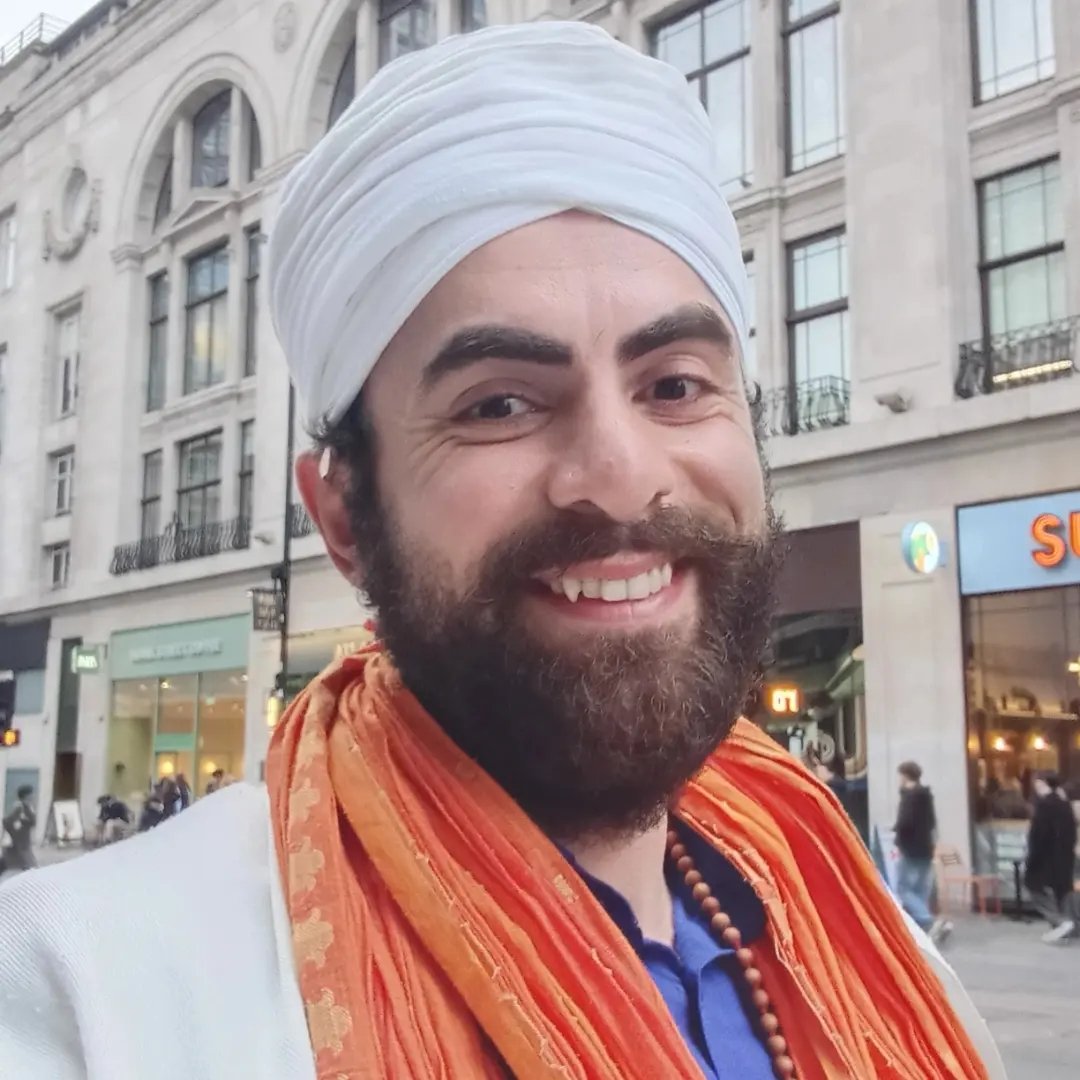
The curriculum is shaped by Kaan's lived experience, his work as a writer, performer and photographer, his interest in facilitation, and his vision for a community where people can heal, create and belong together.
Read Kaan's storyOur curriculum will keep evolving through experience, feedback and the needs of the people who take part.
We do not believe learning ends when a workshop finishes. It continues in the conversations we have, the questions we ask, the connections we build and the possibilities we begin to imagine.